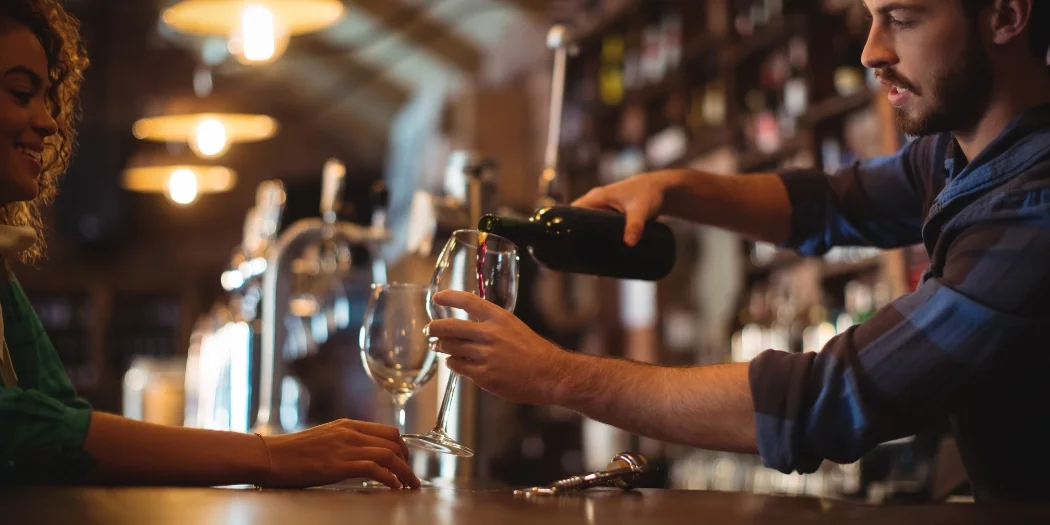
Bars and wine culture have evolved into an essential part of hospitality, dining, and social life across the world. From refined wine lounges to casual neighborhood bars, the experience combines atmosphere, craftsmanship, and taste. Understanding how wine is served, selected, paired, and appreciated enhances both personal enjoyment and professional knowledge.
This guide explores the essentials of bar and wine culture, types of wines, bar formats, service practices, pairing strategies, and practical tips for making informed choices.
Many connoisseurs seek the finest Scotch to enjoy the rich heritage and unique flavor profiles associated with Scotland’s renowned distilleries. From smooth and delicate notes to bold and smoky expressions, Scotch whisky continues to be appreciated around the world.
Understanding the Concept of Bar and Wine Culture
A bar is traditionally a social venue where beverages are served, but wine-focused bars emphasize tasting experiences rather than fast-paced drinking. These establishments highlight:
- curated wine selections
- regional specialties
- knowledgeable service staff
- tasting flights and pairing menus
- relaxed yet sophisticated environments
Wine culture reflects history, geography, agriculture, and craftsmanship. It encourages slow appreciation rather than quick consumption.
Types of Bars That Focus on Wine
Different wine-oriented bars offer unique experiences depending on their concept and audience.
Wine Bars
Wine bars specialize in:
- premium wine selections
- regional wine themes
- tasting flights
- light food pairings
These venues prioritize quality over quantity and often rotate their menus seasonally.
Wine Lounges
Wine lounges provide a more relaxed environment with:
- comfortable seating
- extended stay experiences
- curated ambiance
- premium glassware service
They are ideal for long conversations and tasting sessions.
Restaurant Wine Programs
Restaurants often operate sophisticated wine programs led by trained professionals. These programs:
- match wines with menu items
- offer reserve bottle collections
- present vintage selections
- support guided tasting experiences
Rooftop and Boutique Wine Bars
Modern hospitality trends have introduced rooftop wine bars and boutique tasting spaces designed for lifestyle-driven audiences.
Major Types of Wine Served in Bars
Wine is categorized primarily by grape type, fermentation style, and production method.
Red Wine
Produced using dark-colored grapes and fermented with skins. Known for:
- bold structure
- tannin presence
- aging potential
Common varieties include:
- Cabernet Sauvignon
- Merlot
- Pinot Noir
- Syrah
Red wine pairs well with protein-rich dishes.
White Wine
Made from green or lightly colored grapes. Characteristics include:
- freshness
- acidity
- citrus or floral notes
Popular varieties include:
- Chardonnay
- Sauvignon Blanc
- Riesling
- Chenin Blanc
White wine complements seafood and lighter meals.
Rosé Wine
Rosé is created through limited skin contact during fermentation. It offers:
- refreshing taste
- fruit-forward character
- versatility across cuisines
Ideal for warm-weather settings and casual dining.
Sparkling Wine
Sparkling wines contain natural carbonation developed during fermentation. Examples include:
- Champagne-style wines
- Prosecco
- Cava
These wines are suitable for celebrations and aperitif service.
Essential Elements of a Good Wine Bar Experience
A quality wine bar focuses on several service and environment factors.
Atmosphere
Ambience influences customer comfort and perception. Important elements include:
- lighting balance
- seating layout
- background music
- interior aesthetics
Wine Selection
A strong wine program typically includes:
- local wines
- international labels
- seasonal rotations
- premium reserve bottles
Professional Service
Experienced staff guide guests through:
- tasting notes
- pairing recommendations
- serving temperature preferences
- vintage explanations
Knowledgeable service enhances confidence in selection.
How Wine Is Properly Served in Bars
Wine service follows structured hospitality practices designed to preserve flavor integrity.
Correct Serving Temperature
Each wine category requires specific temperature control:
- red wine served slightly below room temperature
- white wine served chilled
- sparkling wine served cold
Temperature directly influences aroma release.
Appropriate Glassware
Different glass shapes enhance aroma concentration and tasting accuracy.
Common examples include:
- wide bowl glasses for red wine
- narrow glasses for white wine
- flutes for sparkling wine
Decanting Practices
Decanting improves oxygen exposure and removes sediment from aged wines.
It is commonly used for:
- structured red wines
- older vintage bottles
- complex aromatic wines
Wine Pairing Basics in Bar Settings
Wine pairing improves dining experiences by balancing texture, acidity, and flavor intensity.
Classic Pairing Guidelines
Common pairing strategies include:
- red wine with grilled meats
- white wine with seafood
- rosé with salads and light dishes
- sparkling wine with appetizers
Regional Pairing Approach
Matching wine with cuisine from the same geographic origin often produces harmonious results.
Examples include:
- Italian wine with Italian dishes
- French wine with French cuisine
- Spanish wine with tapas-style food
Benefits of Visiting Wine Bars
Wine bars offer both educational and social advantages.
Key benefits include:
- exposure to global wine regions
- opportunity to taste before buying bottles
- interaction with trained professionals
- relaxed social environment
- discovery of rare and boutique labels
These experiences build appreciation and confidence in wine selection.
Tips for Choosing Wine at a Bar
Selecting wine becomes easier with a few practical strategies.
Consider the following:
- ask staff for recommendations
- choose tasting flights for variety
- explore seasonal selections
- start with lighter wines before stronger ones
- match wine with food order
These steps help avoid overwhelming choices.
The Growing Popularity of Wine Bars in Modern Hospitality
Wine bars are expanding globally due to changing lifestyle preferences. Consumers increasingly seek experiences rather than simple beverage consumption.
Modern trends influencing wine bars include:
- curated tasting menus
- local vineyard collaborations
- educational tasting sessions
- sustainable wine sourcing
- boutique interior concepts
These innovations continue to shape contemporary wine culture.
FAQ Section
What is the difference between a wine bar and a regular bar
A wine bar primarily focuses on wine selections, tasting experiences, and pairing menus, while regular bars usually emphasize mixed drinks and quick service beverages.
How should beginners start exploring wine at a bar
Beginners should start with tasting flights, lighter wines such as white or rosé, and ask staff for guidance based on flavor preferences.
Why do wine bars offer tasting flights
Tasting flights allow guests to sample multiple wines in smaller portions, helping them compare flavors and discover preferences.
Is expensive wine always better in quality
Price does not always determine quality. Many mid-range wines offer excellent flavor and balance depending on region and production style.
How long can an opened bottle of wine stay fresh in a bar setting
Most opened wines remain fresh for one to three days when stored properly using preservation systems.
What foods are commonly served in wine bars
Wine bars typically serve cheese boards, olives, cured meats, small plates, and light gourmet dishes designed for pairing.
Can wine bars help customers learn about wine regions
Yes, many wine bars provide region-based tasting menus and guided explanations that help guests understand global wine geography.
