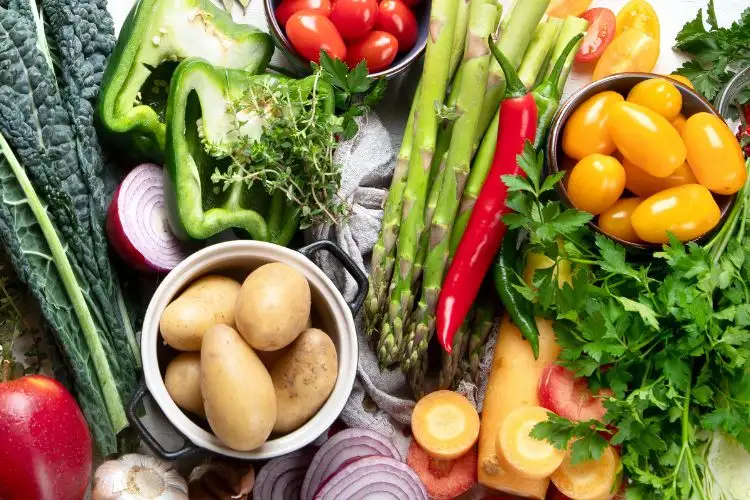
Food choices shape not only personal health but also environmental stability. Agriculture influences water consumption, soil quality, biodiversity, and greenhouse gas emissions. While many sustainability trends circulate online, only a few dietary shifts produce measurable real-world impact.
Making thoughtful food decisions does not require perfection. Consistent small adjustments across sourcing, preparation, and consumption patterns create meaningful change over time.
This guide explains practical choices that genuinely support environmental resilience without unrealistic restrictions.
Why Sustainable Eating Matters More Than Ever
Food production accounts for a major share of global environmental pressure. Key concerns include:
- excessive freshwater use
- soil degradation
- deforestation for livestock and monoculture crops
- methane emissions from animal agriculture
- food waste across supply chains
Sustainable eating focuses on reducing strain on natural systems while supporting long-term food security.
Even modest improvements in daily meals can significantly lower environmental impact across a lifetime.
Prioritize Plant-Based Foods More Often
Shifting toward plant-forward meals remains one of the most effective sustainability actions available to individuals.
Plant foods generally require fewer natural resources than animal products. They typically produce lower greenhouse gas emissions and support soil health when grown responsibly.
Strong plant-based staples include:
- lentils
- beans
- chickpeas
- whole grains
- seasonal vegetables
- nuts and seeds
Replacing even two or three meat-heavy meals weekly can noticeably reduce environmental impact.
Choose Seasonal Produce Whenever Possible
Seasonal foods typically require fewer artificial growing conditions and less long-distance transportation.
Benefits of seasonal eating include:
- reduced energy consumption
- improved nutrient quality
- fresher taste
- support for regional farming systems
Learning local harvest cycles helps make this habit automatic over time.
Support Local Farmers and Regional Food Systems
Buying locally produced food strengthens nearby agricultural networks and lowers transportation emissions.
Local sourcing supports:
- biodiversity-friendly farming practices
- rural livelihoods
- fresher supply chains
- transparent production methods
Farmers markets, community-supported agriculture programs, and neighborhood produce vendors often provide more sustainable alternatives than distant industrial suppliers.
Reduce Food Waste at Home
Food waste contributes significantly to methane emissions when discarded in landfills.
Reducing waste begins with simple planning habits:
- prepare weekly meal plans
- store leftovers properly
- freeze unused ingredients
- cook realistic portion sizes
- reuse vegetable scraps in broths
Composting organic waste further reduces landfill pressure and improves soil fertility.
Select Sustainably Produced Animal Products
Completely eliminating animal foods is not required for meaningful environmental impact. However, choosing responsibly sourced options matters.
Better choices include:
- pasture-raised dairy
- free-range poultry
- certified sustainable fisheries
- smaller portion sizes of meat
Quality and sourcing matter more than frequency alone.
Choose Whole Foods Over Ultra-Processed Options
Highly processed foods often involve intensive packaging, transportation, and industrial energy consumption.
Whole foods support sustainability because they:
- reduce packaging waste
- preserve natural nutrients
- encourage balanced diets
- simplify ingredient sourcing
Examples include:
- fresh vegetables
- whole grains
- legumes
- minimally processed dairy
- fresh fruits
Cooking simple meals at home strengthens both health and environmental responsibility.
Pay Attention to Packaging Choices
Packaging contributes heavily to food-related waste streams.
Reducing packaging impact can include:
- selecting loose produce instead of wrapped items
- choosing reusable storage containers
- buying bulk staples
- supporting refill-based stores when available
Even small packaging decisions accumulate into measurable long-term reductions.
Diversify What You Eat
Relying heavily on a narrow set of staple crops increases pressure on agricultural systems.
Diversified diets support biodiversity and resilience by encouraging farmers to grow a wider variety of crops.
Examples of diversification include:
- rotating grains like millet, barley, and sorghum
- trying regional vegetables
- incorporating different legumes weekly
Crop diversity improves soil quality and strengthens climate adaptability.
Drink Water Instead of Resource-Intensive Beverages
Many packaged beverages require large amounts of water, energy, and packaging materials.
Choosing water more frequently helps:
- reduce plastic waste
- lower energy demand
- minimize transport emissions
Reusable bottles further strengthen sustainability benefits.
Build Sustainable Habits Gradually
Long-term change succeeds when habits evolve realistically.
Start with practical adjustments such as:
- replacing one weekly meat-based meal
- planning grocery lists
- choosing seasonal produce
- storing leftovers carefully
Consistency produces greater environmental impact than sudden restrictive shifts.
Frequently Asked Questions
What is the single most effective sustainable food choice?
Reducing frequent consumption of resource-intensive animal products and replacing them with plant-based alternatives produces one of the strongest measurable environmental benefits.
Are organic foods always more sustainable?
Organic production can reduce chemical exposure and improve soil health, but transportation distance and packaging also influence sustainability. Local sourcing sometimes matters more than certification alone.
Is frozen food less sustainable than fresh food?
Frozen foods can actually reduce waste because they last longer. When sourced responsibly, they can be a practical sustainable option.
How does food transportation affect sustainability?
Long-distance transportation increases emissions. Choosing locally grown foods lowers fuel usage and supports nearby agriculture.
Can sustainable eating be affordable?
Yes. Staples such as lentils, seasonal vegetables, and whole grains are often less expensive than processed convenience foods or frequent meat purchases.
Does composting really make a difference?
Composting reduces landfill methane emissions and returns nutrients to soil systems, making it an effective household sustainability practice.
Why is crop diversity important for sustainability?
Crop diversity protects soil health, improves resilience against climate stress, and supports long-term food security.
