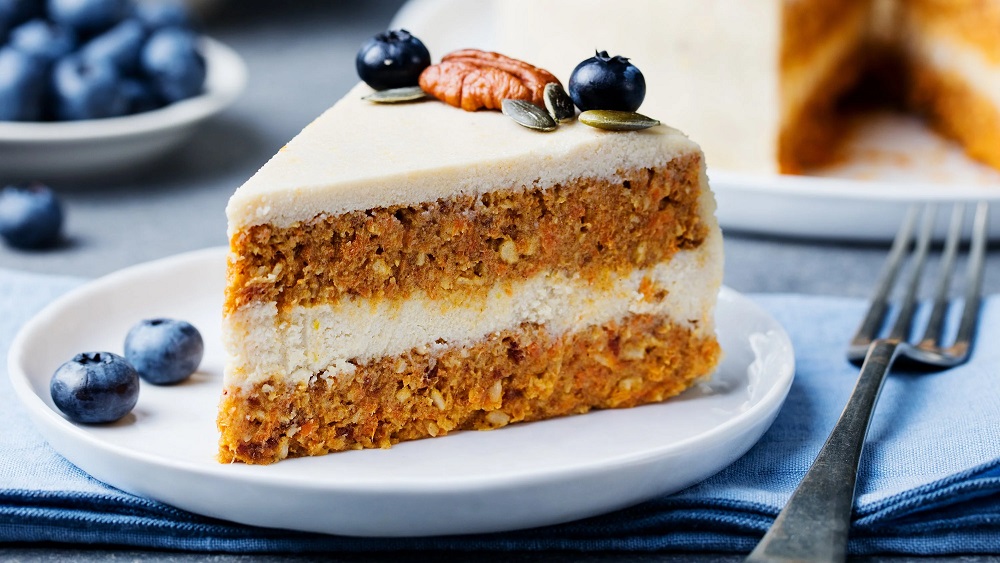
Baking soft and moist cakes without eggs, butter, or dairy can feel challenging at first. However, plant-based baking follows reliable scientific principles once you understand how moisture, structure, and fat interact. With the right ingredient swaps and techniques, vegan cakes can be just as tender, rich, and satisfying as traditional versions.
This guide explains practical, kitchen-tested strategies that help improve texture, flavor, and consistency in vegan cakes.
Why Vegan Cakes Sometimes Turn Dry
Before improving texture, it helps to understand what typically causes dryness in vegan baking.
Common reasons include:
- Lack of sufficient fat content
- Incorrect egg substitutes
- Overbaking
- Too much flour or insufficient liquid
- Using low-quality plant milk
- Skipping acidic ingredients that activate leavening
Once these issues are addressed, softness improves dramatically.
Choose the Right Egg Substitute for Moisture
Egg replacements do more than bind ingredients. They add structure and softness depending on what you use.
Best moisture-boosting egg alternatives:
Applesauce
- Adds natural sweetness
- Improves softness
- Works best in chocolate and spice cakes
Mashed bananas
- Excellent for dense cakes
- Adds richness
- Ideal for loaf cakes and muffins
Flaxseed gel
- Neutral flavor
- Improvers structure
- Helps retain moisture during baking
Quick flax egg method:
- 1 tablespoon ground flaxseed
- 3 tablespoons warm water
- Rest for 5 minutes before use
Use Oil Instead of Vegan Butter
Oil creates a softer crumb than butter alternatives.
Why oil works better:
- Remains liquid at room temperature
- Prevents dryness after cooling
- Produces a lighter texture
Best choices include:
- Sunflower oil
- Canola oil
- Coconut oil in melted form
- Light olive oil for subtle richness
For especially moist cakes, combining oil with plant yogurt produces excellent results.
Add Plant-Based Yogurt for Tender Texture
Plant yogurt improves both moisture and softness.
Benefits include:
- Adds gentle acidity
- Activates baking soda efficiently
- Creates a fine crumb structure
- Extends shelf life of cakes
Unsweetened versions made from soy or coconut work particularly well.
Measure Flour Correctly Every Time
Too much flour is one of the most common causes of dry cakes.
Correct measuring technique:
- Fluff flour before scooping
- Spoon into measuring cup
- Level with a flat edge
Avoid scooping directly from the container because it compacts flour and increases dryness.
If available, using a kitchen scale produces more reliable results.
Use the Right Plant Milk for Better Results
Not all plant milks perform equally in baking.
Best choices include:
Soy milk
- Highest protein content
- Closest structure to dairy milk
- Produces consistent texture
Oat milk
- Adds natural sweetness
- Improvers softness
- Works well in vanilla cakes
Avoid very thin plant milks like rice milk unless adjusting liquids elsewhere.
Add Vinegar to Activate Leavening
A small amount of acid helps cakes rise properly.
Typical method:
- Combine baking soda with vinegar
- Creates carbon dioxide bubbles
- Produces lighter texture
Apple cider vinegar works especially well because its flavor disappears during baking.
Even one teaspoon can significantly improve softness.
Do Not Overmix the Batter
Overmixing develops gluten, which leads to dense cakes.
Better approach:
- Mix wet ingredients separately
- Combine dry ingredients separately
- Fold together gently until just combined
Small lumps are completely acceptable and disappear during baking.
Bake at the Correct Temperature
Temperature directly affects moisture retention.
Best practices:
- Preheat oven fully
- Bake between 170°C and 180°C
- Avoid opening the oven early
- Test doneness with a toothpick
Removing the cake at the right moment prevents dryness after cooling.
Add Moisture-Rich Ingredients for Extra Softness
Some ingredients naturally improve cake texture.
Top moisture boosters:
- Brown sugar instead of white sugar
- Maple syrup in small amounts
- Coconut milk
- Fruit purees
- Almond flour blended with wheat flour
These additions create deeper flavor while improving softness.
Let the Cake Cool Properly
Cooling incorrectly can ruin texture even if the bake itself was perfect.
Correct method:
- Rest cake in pan for 10 minutes
- Transfer to cooling rack afterward
- Cover lightly once warm
This traps enough moisture without making the crumb soggy.
Store Vegan Cakes the Right Way
Storage affects texture more than most bakers realize.
To keep cakes moist longer:
- Wrap tightly once fully cooled
- Store at room temperature up to two days
- Refrigerate only when frosting requires it
- Freeze unfrosted layers for extended storage
Proper storage keeps vegan cakes soft for several days.
Frequently Asked Questions
Why do vegan cakes sometimes sink in the center
This usually happens when the batter contains too much liquid or when the cake is removed from the oven before it finishes baking. Incorrect oven temperature can also cause collapse.
Can I replace eggs with baking soda and vinegar alone
No. Baking soda and vinegar help with rising but cannot provide binding structure like other egg replacements such as flaxseed gel or applesauce.
Which flour works best for soft vegan cakes
All-purpose flour provides the most reliable structure. For extra softness, replacing a small portion with almond flour improves moisture retention.
Is coconut oil better than vegetable oil for vegan cakes
Both work well. Coconut oil adds richness and slight flavor, while vegetable oil creates a lighter crumb with a more neutral taste.
How can I make vegan chocolate cake extra moist
Using plant yogurt, brown sugar, and a small amount of brewed coffee enhances moisture and deepens chocolate flavor significantly.
Can I bake vegan cakes without refined sugar
Yes. Maple syrup, coconut sugar, and date paste can be used, though liquid ratios may need adjustment.
Why does my vegan cake feel sticky after baking
Sticky texture usually results from underbaking or excess liquid ingredients. Baking slightly longer at the correct temperature typically solves the issue.
