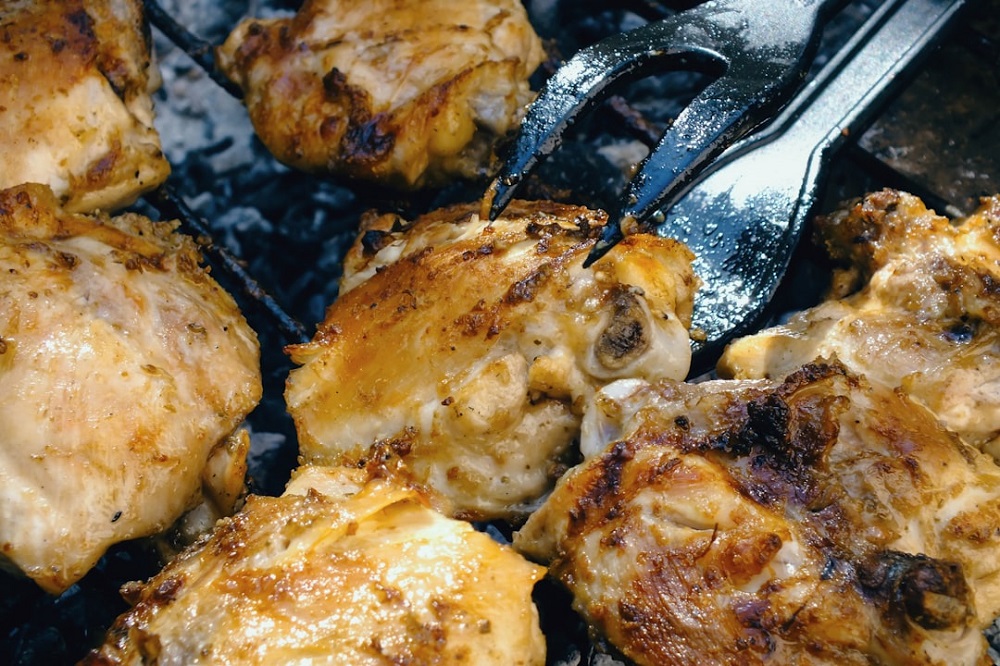
Great cooking is not about masking ingredients with heavy sauces or excessive seasoning. It is about highlighting what is already present in the food. When natural flavors are respected and thoughtfully enhanced, dishes become more satisfying, balanced, and memorable.
This guide explains practical kitchen techniques that help ingredients shine without unnecessary complexity.
Choose Fresh and Seasonal Ingredients
Flavor begins before cooking even starts. Fresh produce contains more natural sugars, aromatic compounds, and moisture, all of which contribute to stronger taste.
To maximize ingredient quality:
- Buy vegetables that feel firm and vibrant in color
- Select herbs with a strong aroma and no wilted leaves
- Choose fruits that are naturally ripe rather than artificially ripened
- Prefer local and seasonal produce whenever possible
Seasonal ingredients are harvested at peak maturity, which naturally improves taste without extra effort in the kitchen.
Use Salt Strategically Instead of Excessively
Salt does not simply make food salty. It enhances existing flavors by balancing sweetness and reducing bitterness.
Apply salt effectively by:
- Adding small amounts during different cooking stages
- Seasoning vegetables before roasting
- Salting proteins 15 to 30 minutes before cooking
- Finishing dishes with a light sprinkle of coarse salt
Layering salt gradually helps ingredients reveal their natural character rather than overpowering them.
Control Heat to Develop Flavor Depth
Heat transforms texture and flavor through browning and caramelization. Proper temperature control is essential for unlocking natural sweetness and aroma.
Helpful techniques include:
- Roasting vegetables to intensify sweetness
- Searing proteins to create a flavorful crust
- Slow cooking onions until golden for deeper taste
- Avoiding overcrowding the pan during sautéing
When ingredients brown properly, their flavor becomes richer and more complex.
Add Acid to Brighten Dishes Naturally
Acidity enhances flavor clarity and balance. Even small amounts can make dishes taste fresher and more vibrant.
Common acidic ingredients include:
- Lemon juice
- Vinegar
- Tomatoes
- Yogurt
- Tamarind
Adding acid near the end of cooking preserves its brightness and prevents dullness in flavor.
Use Fresh Herbs at the Right Time
Herbs can dramatically improve aroma and freshness when used correctly.
Follow these guidelines:
- Add delicate herbs like coriander and parsley at the end
- Cook sturdy herbs like rosemary earlier in the process
- Chop herbs just before use to preserve essential oils
- Avoid overcooking leafy herbs
Timing determines whether herbs enhance or lose their natural fragrance.
Toast Spices Before Cooking
Whole spices release deeper flavor when gently toasted before use.
Simple steps to follow:
- Heat spices in a dry pan for 30 to 60 seconds
- Stir continuously to avoid burning
- Grind immediately after cooling
- Add toasted spices early in cooking for best infusion
This technique intensifies aroma without requiring extra seasoning.
Balance Texture Along With Flavor
Flavor perception improves when textures complement each other.
Create balance by combining:
- Crunchy with soft elements
- Creamy with crisp toppings
- Juicy ingredients with roasted ones
- Smooth sauces with fresh garnishes
Texture contrast keeps dishes interesting and highlights natural ingredient qualities.
Cook With Quality Fats in Moderation
Fats help carry flavor molecules and improve mouthfeel when used carefully.
Best practices include:
- Use olive oil for vegetables and salads
- Add butter for richness in finishing steps
- Use mustard oil for bold regional flavor
- Cook with ghee for depth and aroma
The key is balance. Too much fat can hide natural taste instead of enhancing it.
Avoid Overcrowding the Cooking Surface
When ingredients are packed tightly in a pan, they release moisture and steam instead of browning.
For better flavor development:
- Cook in smaller batches
- Leave space between ingredients
- Use wide pans for roasting and sautéing
- Allow airflow during oven cooking
Proper spacing encourages caramelization and improves taste naturally.
Taste Continuously While Cooking
Professional cooks rely on repeated tasting to adjust seasoning and balance flavors gradually.
Develop this habit by:
- Checking seasoning midway through cooking
- Adjusting salt, acid, or herbs as needed
- Not waiting until the final stage to taste
- Learning how flavors change with heat
Small adjustments throughout cooking create stronger final results.
Let Food Rest Before Serving
Resting allows juices and flavors to redistribute evenly.
This improves:
- Texture in cooked proteins
- Moisture retention
- Aroma intensity
- Overall flavor balance
Even vegetables benefit slightly from resting after roasting.
FAQ Section
How does roasting enhance the natural sweetness of vegetables
Roasting removes excess moisture and encourages caramelization, which concentrates natural sugars and deepens flavor.
Why should acid be added near the end of cooking
Adding acid late preserves freshness and prevents the sharpness from dulling during long cooking times.
Are whole spices better than ground spices for flavor enhancement
Whole spices retain their aroma longer and release deeper flavor when toasted and freshly ground before use.
Does cutting vegetables smaller improve their taste
Smaller cuts increase surface area, which allows better seasoning absorption and faster caramelization during cooking.
How can herbs be stored to preserve their flavor longer
Store herbs wrapped in slightly damp paper towels inside airtight containers in the refrigerator to maintain freshness.
Why is tasting during cooking important
Frequent tasting helps correct seasoning early and ensures balanced flavor development throughout the cooking process.
Can natural flavor enhancement reduce the need for heavy sauces
Yes. Proper seasoning, heat control, and ingredient selection often eliminate the need for strong sauces by allowing natural flavors to stand out clearly.
