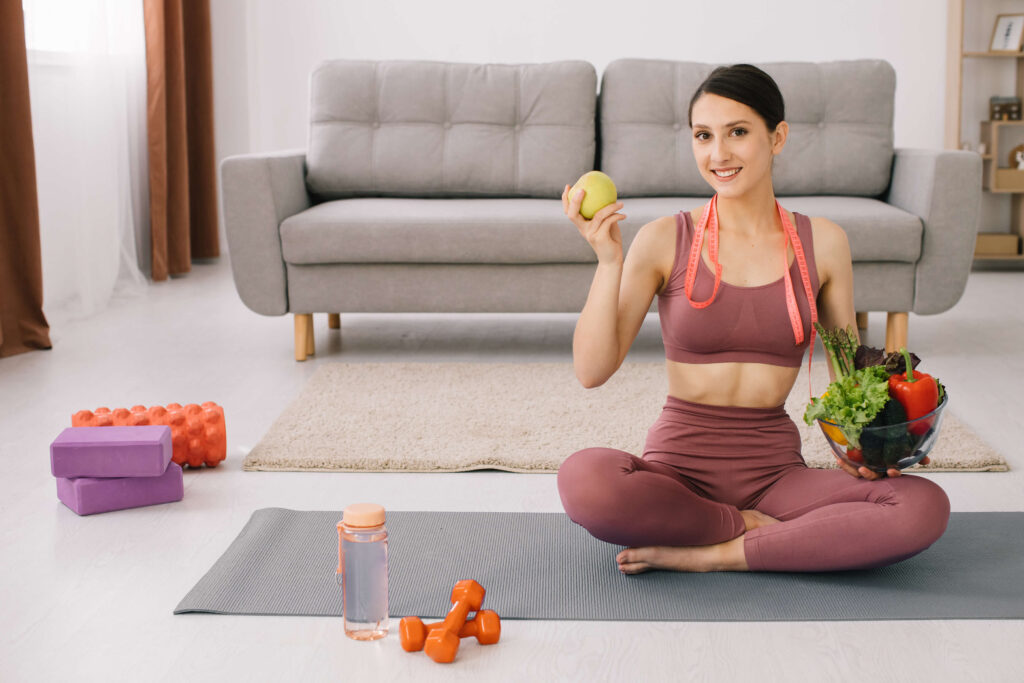
A heated yoga session can feel uncomfortable when the stomach is either too full or the participant has gone too long without eating. Before hot yoga, meal size and timing should reflect the class temperature, movement sequence and personal digestion.
Forward folds, twists and floor transitions can make a large recent meal particularly noticeable. Heat may also increase nausea or reduce appetite in some participants.
Full Meals Need Time
A balanced meal eaten two to four hours before class may provide enough energy without creating excessive fullness. The appropriate window varies.
Large portions, rich sauces and heavily fried foods can take longer to feel comfortable. Participants should allow more time when the meal is substantial.
A delayed workday may require reducing the portion rather than eating the usual dinner immediately before class.
Short Windows Favour Small Snacks
When less than an hour remains, a simple snack may be easier to tolerate. Fruit, bread, yoghurt or another familiar option can work according to personal preference.
The snack should reduce hunger without making the participant feel full. New foods and supplements should be tested outside a demanding heated session.
A snack supports the class. It does not need to become a complete meal.
Heat Can Change Appetite
Some participants feel less hungry in a warm environment, while others become aware of low energy later in the sequence.
Relying only on appetite immediately before class can be misleading. The participant should consider when the previous meal occurred.
An evening class several hours after lunch may still require preparation even when the heat suppresses hunger temporarily.
Fat and Fibre Need Context
Fat and fibre are valuable parts of a balanced diet. Large amounts close to class may slow digestion or increase bloating for some people.
Earlier meals can contain normal portions. The immediate pre-class choice can remain simpler.
Participants should base adjustments on repeated personal experience rather than unnecessary food rules.
Hydration Begins Earlier
Singapore’s climate may increase fluid needs before the participant enters the heated studio. Walking outdoors or commuting can add sweat loss.
Drinking a large volume immediately before class can cause stomach movement and discomfort. Regular intake through the day provides a more comfortable starting point.
Water can then be consumed during suitable breaks according to thirst and class guidance.
Electrolytes Are Not Automatically Required
Heavy sweating can increase electrolyte loss, but every participant and session differs. Normal meals often provide electrolytes.
Specialised drinks may be useful during longer training days or for people who sweat heavily. They should not replace ordinary hydration and food without a reason.
Products can also contain sugar or stimulants that affect the wider plan.
Caffeine Can Alter the Experience
Coffee may improve alertness before an evening class, but it can also affect sleep or make some participants feel more aware of heart rate.
The total amount consumed during the day matters. A late additional dose may reduce post-class recovery through poorer sleep.
Caffeine should not be used to compensate continually for inadequate rest.
Alcohol Before Class Adds Several Problems
Alcohol can affect hydration, sleep and coordination. A heated class may feel more demanding after drinking, even when the amount seemed moderate.
Participants should not use sweating as a way to remove alcohol or “detox.” The body does not work that way.
A conservative or postponed session may be appropriate when the participant is not well prepared.
Plan the Post-Class Meal
Knowing that food will be available afterwards reduces the pressure to eat a large meal before class. A post-session meal can provide carbohydrate, protein, fluid and other nutrients.
If class ends late, a moderate portion may feel more comfortable before sleep. A prepared meal can prevent random snacking after a long commute.
The complete evening should be planned rather than only the pre-class hour.
Use a Personal Comfort Record
Participants can note:
- Meal and snack time.
- Approximate portion.
- Fullness during folds or twists.
- Energy during later postures.
- Thirst and fluid intake.
- Hunger after class.
At True Fitness Singapore, members can compare these patterns across similar heated sessions and adjust preparation accordingly.
Do Not Force the Class Through Symptoms
Nausea, dizziness or unusual weakness should not be treated only as a food-timing problem. The participant should rest, reduce heat exposure or stop.
Persistent or severe symptoms require appropriate attention. The class environment should never create pressure to continue.
Comfortable Preparation Is Individual
The most suitable pre-class meal is neither the smallest nor the largest possible option. It is the amount that provides usable energy with enough time for digestion.
A balanced earlier meal, small snack where needed and steady hydration can support movement in a 37°C studio. When timing is planned, participants can focus on posture and breathing instead of managing hunger or heaviness.
